
April 2026 Senior Life Solutions Newsletter

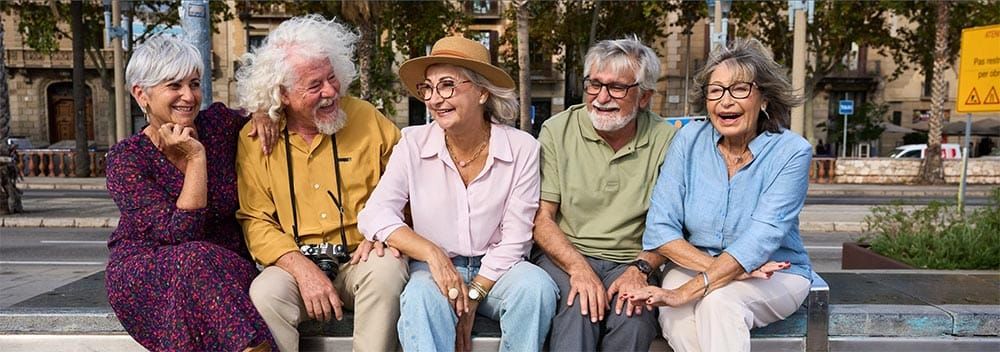

As we get older, our worlds can grow quieter.
Daily routines change after retirement. Social circles become smaller. Friends and loved ones may move away or pass on. Health challenges can affect independence and mobility. Even with family nearby, many older adults find themselves spending more time alone than they expected.
These changes can have a meaningful impact on emotional well-being.
How Connection Shifts Over Time
Earlier in life, connection often happens naturally through work, parenting, and community involvement. In later years, those built-in opportunities may fade, and staying connected requires more intention.
For some older adults, reaching out can feel uncomfortable. Many were raised to keep personal struggles private or to manage challenges independently. Over time, this can lead to fewer meaningful conversations and less emotional connection, even for people who once felt well supported.
Why Isolation Affects Mental Health
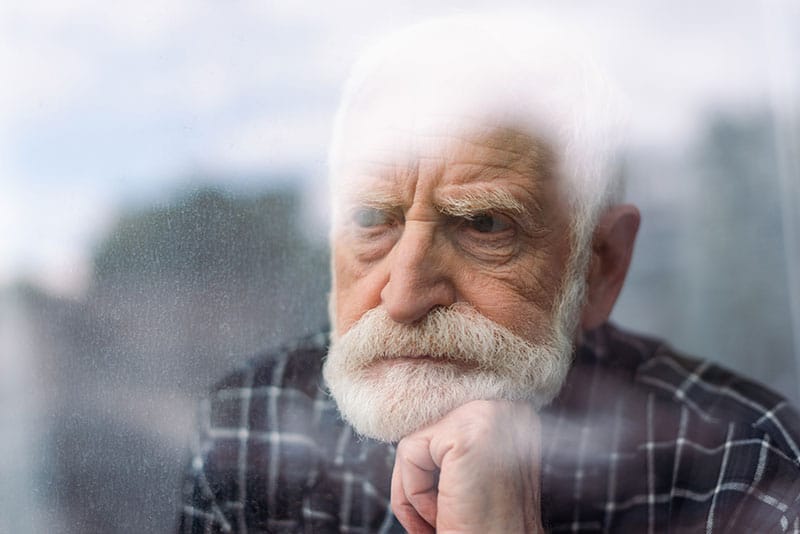
Human connection plays a vital role in emotional health at every age. When social interaction decreases, changes in mood, sleep, and motivation often follow. Loneliness has been linked to higher rates of depression and anxiety, as well as physical health concerns.
Isolation can also shape how people view themselves. Without regular interaction, it is easy to feel less visible or less needed. These feelings can slowly erode confidence and make it harder to stay engaged with others. Without support, this pattern often continues.
The Role of Group Support
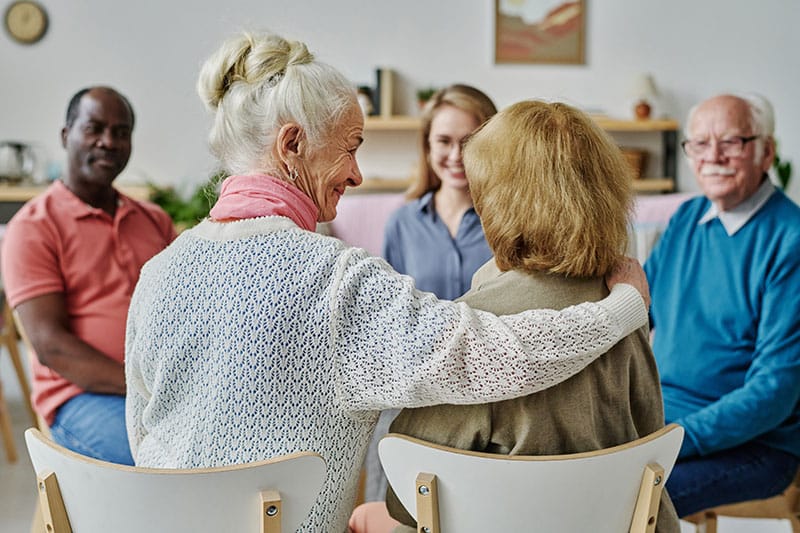
Group support creates space for shared experience and understanding. Hearing others talk openly about similar challenges can bring relief and reassurance. Many people discover that concerns they have been carrying quietly are common and understandable.
Group settings also help reintroduce structure and routine. Regular participation, conversation, and mutual encouragement can rebuild a sense of purpose and belonging. Over time, this support can ease symptoms of depression and anxiety and strengthen overall emotional resilience.
Support at Any Stage
Many people hesitate to seek group support because they believe it is only meant for moments of crisis. In practice, people often benefit simply because they want to feel more connected, supported, and engaged in their lives.
Group support offers a place to talk openly, learn coping strategies, and build confidence in a respectful, welcoming environment. For many older adults, it becomes an important source of stability and connection.
Staying Connected Matters
Emotional needs do not diminish with age. Connection, understanding, and support remain essential throughout life.
With the right support, older adults can strengthen relationships, rediscover purpose, and feel less alone as they navigate life’s changes. Group support provides one meaningful way to stay connected and supported.
We Can Help
Our hospital-based outpatient program is designed to meet the unique needs of older adults experiencing depression and/or anxiety related to life changes that are often associated with aging or a chronic diagnosis. Anyone can make a referral to our program, including self-referrals, provider referrals, or community consultations. Call us today at 920-746-3778 or email slsteam@dcmedical.org.