Door County Medical Center Deepens Its Commitment to Mental Health Care

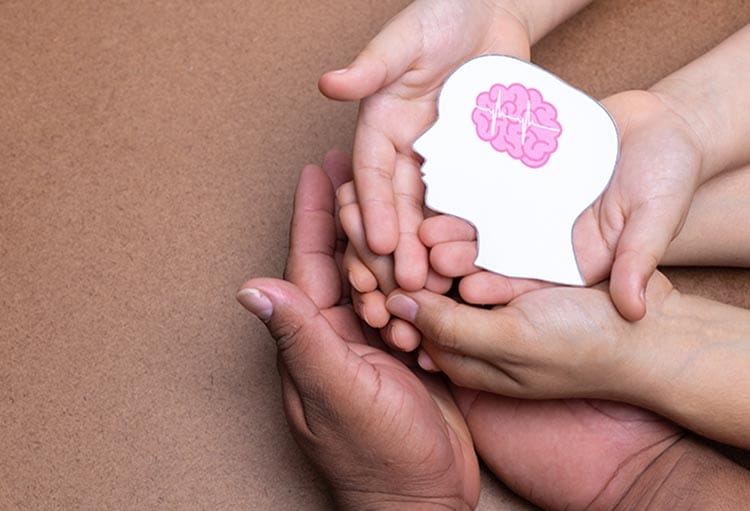
Door County Medical Center (DCMC) is expanding its Behavioral Health program to meet the community's growing mental health needs.
"We are committed to expanding access to mental health services," said Lauren Daoust, LCSW, Manager of Behavioral Health at DCMC. "To achieve this, we are actively recruiting licensed mental health professionals to live and work in our community." This commitment is already taking shape, with increased availability for appointments at all DCMC locations made possible by the recruitment of new licensed mental health professionals, a full-time provider in each satellite clinic, and an increased presence in the schools. DCMC has also recently become certified to provide Substance Use Disorder treatment.
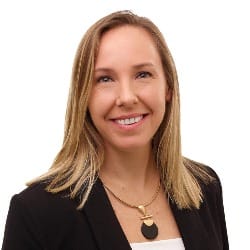
DCMC now employs eight licensed mental health professionals and has recently added a full-time psychiatrist to its team. "Even with all of our growth, we are still not meeting the needs of everyone in our community. We know that, and we're working on it."
Current Behavioral Health Services
DCMC provides a broad spectrum of behavioral health services designed to support individuals and families at every stage of life. Services are available at DCMC's main campus in Sturgeon Bay and satellite clinics in Sister Bay, Algoma, and Direct Care. Therapists also visit local schools to support students who may not otherwise have access to care.
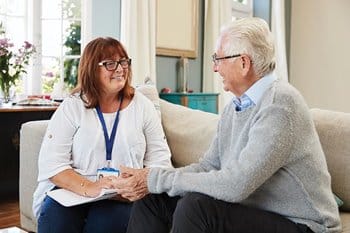
"We are making it easier for people to access mental health services in the places they already go, like school or their primary care clinic," explained Lauren Daoust, LCSW.
This commitment to meeting people where they are begins at the very start of life. "You might be surprised to learn that we also offer services focused on infants' social and emotional well-being," Daoust shared. "Helping them experience, regulate, and express emotions, form relationships, and explore the world around them sets the stage for later development."
DCMC's range of care includes:
- Individual Counseling: For concerns such as anxiety, trauma, depression, and life transitions. "We use therapeutic approaches such as Cognitive Behavioral Therapy and Dialectical Behavior Therapy to help patients develop coping strategies and achieve personal growth," said Daoust.
- Couples Therapy: Building an emotional connection between partners through improved communication and conflict resolution.
- Family Therapy: Counseling to help resolve conflict, improve communication, and strengthen familial bonds. Includes addressing parent-child relationships, blended family dynamics, and adolescent behavioral issues.
- Substance Use Disorder Treatment: Substance Use Disorder (SUD) is a condition where individuals have an uncontrollable urge to use substances (alcohol or drugs) despite harmful consequences. Treatment is essential and involves various approaches. DCMC provides a comprehensive assessment and assists with placing individuals in the recommended level of care, including outpatient individual and family therapy sessions at DCMC.
- Senior Life Solutions: An intensive outpatient group therapy program designed to support older adults (typically 65+) experiencing anxiety or depression related to aging and life changes
- Medication Management: Comprehensive psychiatric evaluations, prescribe and monitor medications, adjust treatment plans, and coordinate with therapists to ensure integrated care.
Overcoming Stigma and Shortages
Despite expanded services, Daoust acknowledges the system is still under strain.
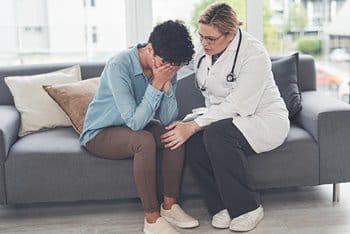
"When people call for help, it's often because they feel like they can't wait any longer, and sometimes we have to ask them to call back or go outside the county for help. We are working hard to change that."
Other challenges include inadequate insurance coverage, high out-of-pocket costs, and difficulty navigating the complex healthcare system. Daoust also points to a deeper societal issue: stigma.
"There's still fear around asking for help, fear of being judged, misunderstood, or appearing weak. And those feelings can stop someone from ever making that first call." Daoust believes that changing the culture around mental health is just as important as growing the workforce.
Building a Community of Care
DCMC is working to reduce stigma and increase access to services through collaboration with local partners and organizations such as the 115 Club and Jak's Place. "We also actively participate in community events to educate and raise awareness," said Daoust.
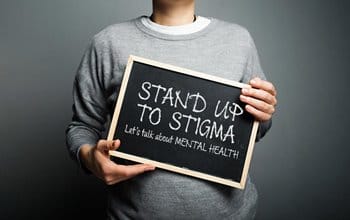
Some of DCMC's current community partnerships include:
- STRIDE Program: A joint effort with United Way of Door County to provide free, in-person mental health services to students in every Door County school district.
- Community Coordinated Response Team: Co-facilitated by HELP of Door County and the Sexual Assault Center, CCRT's mission is a "multidisciplinary group of professionals that is committed to communicating and coordinating a response to domestic violence and sexual assault that offers victims safety and holds offenders accountable for their behavior."
- Mental Health Focus Group: DCMC, along with community stakeholders, develops strategies to improve services and raise mental health awareness within the community.
- Door County Partnership for Children and Families: DCPCF's mission is to promote resilience, strength, and social-emotional well-being for the families in our community.
A Way Forward
People may ignore their mental health, but they cannot escape its impact. If not addressed, mental health issues can manifest as physical symptoms, such as fatigue, headaches, and digestive issues.
"Taking care of your mental health is not just about avoiding illness; it's about thriving; it's about living the life you want to live."
While challenges remain, DCMC is making tangible progress and is committed to meeting every patient with compassion and care.
"Our goal is to make it okay to ask for help and to have that help available when you ask."
If you are having thoughts of suicide or hurting someone else, please get in touch with the National Suicide Prevention Lifeline: call, text, or online chat: 988. If you are experiencing a crisis, call 911 or go to the emergency room.
CredibleMind is a free online platform that brings together expert-rated and vetted videos, podcasts, apps, online programs, books, and articles, as well as local resources, in one easy-to-use place. The service is confidential and available 24/7 for no cost. Visitors to the site can learn new skills, understand their own mental health, take assessments, and browse a library containing thousands of mental well-being resources.