
March 2026 Senior Life Solutions Newsletter



Women's Mental Health: Caring for the Whole Person at Every Stage of Life
March is Women’s History Month, a time to honor the strength, resilience, and contributions of women across generations. It is also a meaningful opportunity to talk about something that often goes unspoken, women’s mental health, especially later in life.
Women tend to live longer than men, and with that longevity can come unique emotional challenges. Life transitions such as retirement, caregiving responsibilities, health changes, loss of loved ones, or shifts in identity can affect mental well-being in powerful ways. While these experiences are common, they do not have to be faced alone.
Understanding the mental health needs of older women is an important step toward supporting healthier, more fulfilling lives.
Common Mental Health Challenges for Older Women
Women are more likely than men to experience depression and anxiety throughout their lives, including in older adulthood. Hormonal changes earlier in life, caregiving roles, social expectations, and higher rates of widowhood can all play a role.
Some common mental health concerns for older women include persistent sadness or low mood, anxiety or excessive worry, feelings of loneliness or isolation, grief after the loss of a spouse, family member, or close friend, and changes in sleep, appetite, or energy levels.
These challenges are not a sign of weakness. They are a response to real life experiences, and they deserve care and attention just like physical health concerns.
The Impact of Caregiving and Role Changes
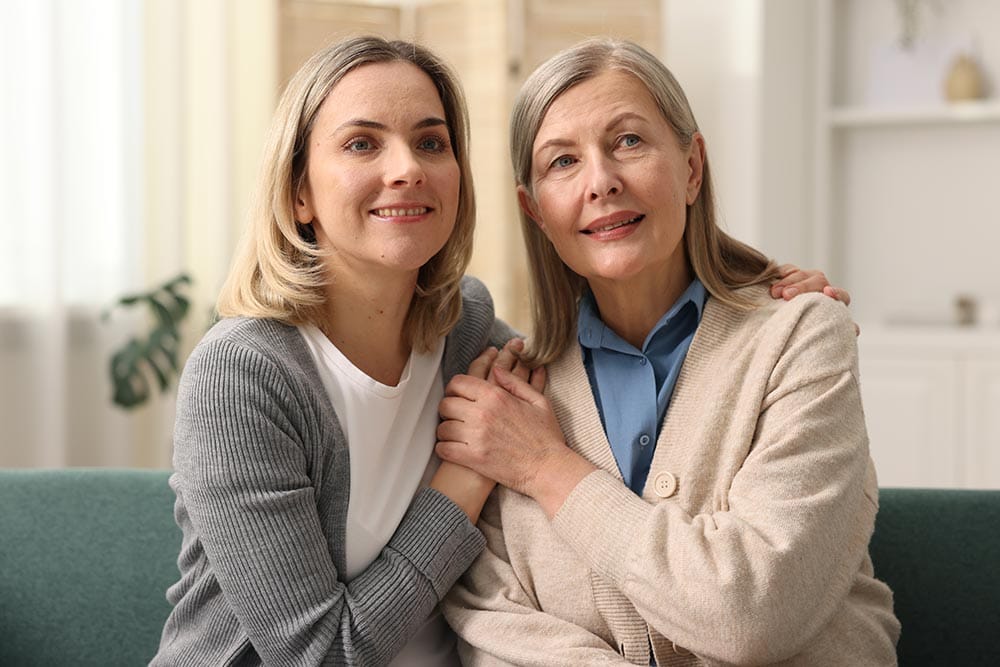
Many women spend decades caring for others as mothers, partners, daughters, or caregivers. Later in life, these roles may change or disappear altogether. While this shift can create space for rest or new opportunities, it can also lead to feelings of loss, uncertainty, or lack of purpose.
For some women, becoming a caregiver for a spouse or family member can also increase stress, anxiety, and emotional exhaustion. Without adequate support, these pressures can quietly take a toll on mental health.
Recognizing the emotional weight of caregiving and role changes is essential. Support, connection, and professional care can make a meaningful difference.
Why Mental Health Support Matters at Any Age
Mental health concerns are not a normal or unavoidable part of aging. With the right support, older women can experience improved mood, stronger coping skills, better relationships, and a renewed sense of purpose.
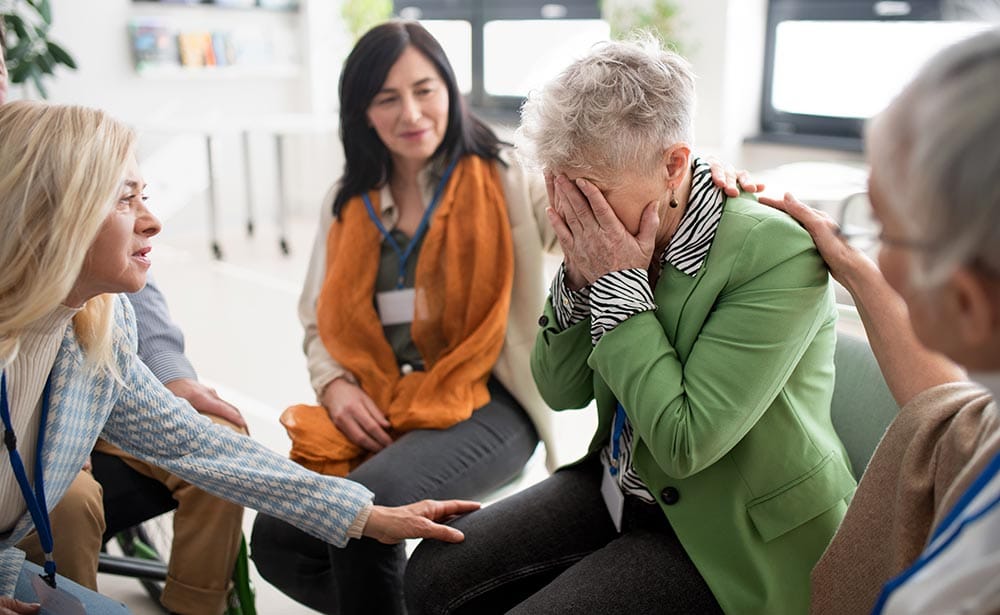
Therapy and group-based mental health services provide a safe space to talk openly, process life changes, learn stress management tools, and connect with others who may be experiencing similar challenges. Many women find comfort in knowing they are not alone in their feelings.
Addressing mental health can also support overall wellness. Emotional well-being is closely connected to physical health, independence, and quality of life.
Breaking the Stigma Around Women’s Mental Health
Many older women grew up in a time when mental health was rarely discussed. Asking for help may feel uncomfortable or unfamiliar. However, seeking support is a sign of strength, self-awareness, and self-care.
Open conversations about mental health help reduce stigma and encourage others to seek the care they deserve. Whether it is talking with a trusted loved one or reaching out to a mental health professional, taking that first step can be life changing.
We Can Help
Our hospital-based outpatient program is designed to meet the unique needs of older adults experiencing depression and/or anxiety related to life changes that are often associated with aging or a chronic diagnosis. Anyone can make a referral to our program, including self-referrals, provider referrals, or community consultations. Call us today at 920-746-3778 or email slsteam@dcmedical.org.