
The Poison Ivy Prevention Tip Most People Miss

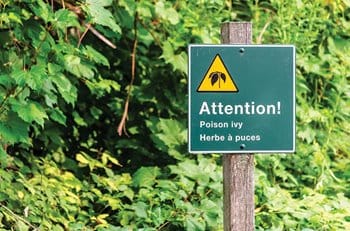
Life in Door County offers endless opportunities to enjoy the outdoors, including hiking through wooded trails, tending to your garden, or relaxing near the water. However, Wisconsin's natural beauty comes with a seasonal reality: poison ivy and poison sumac.
These native plants contain urushiol (pronounced yr·oo·shee·aal), an oily resin that causes red, itchy rashes and, in some cases, painful blisters. You don't need to touch the plant directly to react; urushiol can stick to gardening gloves, pet fur, clothing, tools, and even smoke from burning brush.
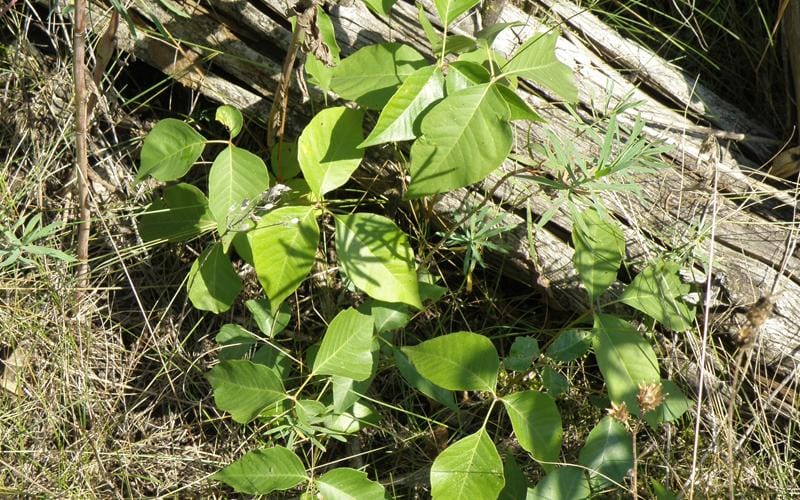
Poison ivy typically grows as a low shrub or climbing vine, featuring shiny, almond-shaped leaves in clusters of three. The appearance can change by season, but the classic warning still applies: leaves of three, let it be.
Poison sumac is less common but more potent. It grows in swampy or wooded wetland areas and resembles a small tree or tall shrub with 7 to 13 leaflets on each stem.
Prevention Starts with Friction

If you think you've come into contact with poison ivy or sumac, your best defense is to act quickly. What most people don't know is that urushiol, while invisible, bonds to skin like grease or motor oil. Washing with soap and using friction with a washcloth is essential. Aim to gently scrub affected areas within 30 minutes of contact for the best chance of avoiding a reaction. When cleaning your fingers, be sure to scrub your nails as well. Rinse and repeat 3 times, using cool or lukewarm water. The CDC recommends using a degreasing soap (like dish soap) to help absorb the urushiol oil.
Additional tips:
- Dress intentionally when hiking or gardening: think long sleeves, pants, and gloves.
- Learn to identify plants using online photos or a plant identification app.
- Leash your pet during hikes. Urushiol can stay on fur and transfer to your skin later.
- Urushiol can linger on fabric, tools, and gloves for years. Clean your gear and wash any affected clothing right away.
If You're Exposed: What Helps and What Doesn't
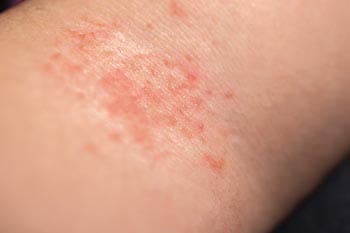
Most poison ivy rashes show up within 12–72 hours of exposure. The rash may appear in streaks or patches and is often intensely itchy. Here's how to manage symptoms:
- While it may feel impossible, try not to scratch. Scratching can lead to infection or cause the rash to spread to other areas of the body.
- Use calamine lotion, hydrocortisone cream, or colloidal oatmeal baths to ease itching.
- Take oral antihistamines (like diphenhydramine) for nighttime relief.
- Apply cool compresses to reduce inflammation.
Most mild cases resolve in 1–3 weeks. Keep the rash clean and dry, and avoid re-exposing yourself.
When It's Time to Seek Medical Care
Most poison ivy rashes are manageable at home and typically improve within one to two weeks; however, there are instances when professional care is necessary. You should contact a provider if:
- The rash covers a large area or continues to get worse
- It spreads to sensitive areas, such as the eyes, mouth, or genitals.
- You notice signs of infection, such as swelling, pus, or increasing redness.
- You develop a fever
- You have difficulty breathing or swallowing (in which case, seek emergency care immediately).
Need Quick, Affordable Care? Try DirectCare at DCMC

If you have non-emergent symptoms, DCMC's DirectCare offers a $99 flat rate, or you can bill through your insurance. DirectCare offers treatment for common issues such as:
- Rashes and allergic skin reactions
- Bug bites and stings
- Minor cold and flu symptoms
- Ear pain, sinus issues, and more
Location: 911 Green Bay Road, Sturgeon Bay [directions]
Hours of Operation (Please register at least 15 minutes before closing)
- Open Daily: 7:30 a.m. – 5:00 p.m.
- Closed for lunch: 1:00 – 1:30 p.m.
DirectCare is open to anyone over 12 months old, with same-day care available by walk-in or online scheduling through the DCMC patient portal. Virtual visits are also available for select conditions.
For more information or to reserve your spot, call 920-743-5566.