Love Hurts: Understanding SAD and Cultivating Self-Love in February

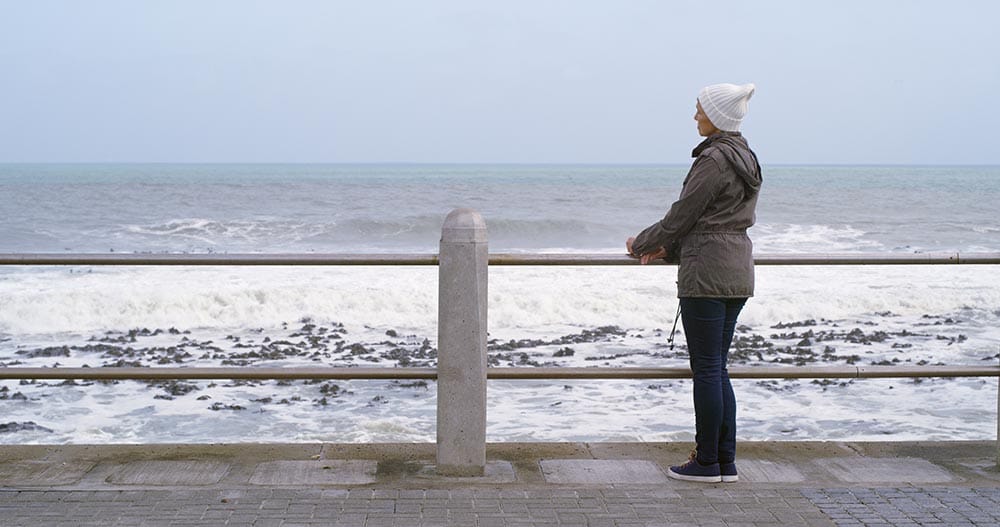
February — chilly, gray, and “the month of love” — can feel a little loveless. For many, this time of year is more than a matter of endurance: it’s a period when mental health challenges like Seasonal Affective Disorder (SAD) become especially real. Yet February also holds a beautiful invitation: a chance to deepen self-love precisely when we need it most. Understanding SAD can lead us to compassionate practices of self-love, even in the dead of Wisconsin winter.
What Is Seasonal Affective Disorder?
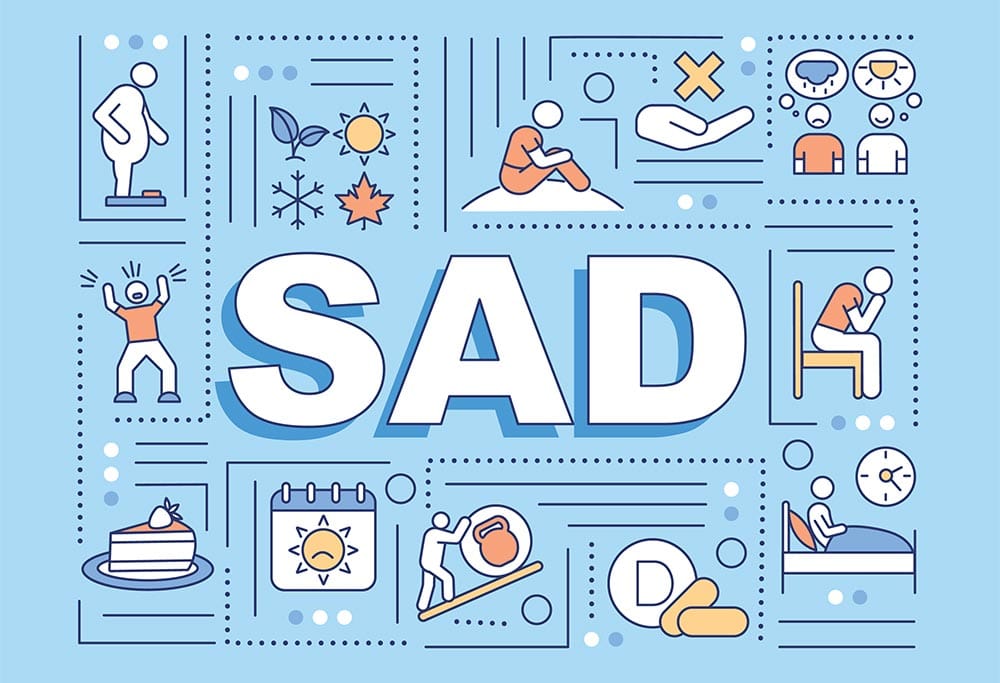
Seasonal Affective Disorder, commonly called SAD, is a type of depression that follows a seasonal pattern — typically peaking during fall and winter months. It’s linked to reduced sunlight, which can disrupt circadian rhythms and lower serotonin levels, affecting mood, energy, sleep, and appetite. Common symptoms include:
- Low energy or fatigue
- Feelings of sadness or hopelessness
- Decreased motivation
- Changes in sleep or appetite
- Difficulty concentrating
Although winter can be tough for many, SAD is more than just “winter blues” — it’s a real, diagnosable condition that can benefit from intentional care and support. (Note: If you feel hopeless or in crisis, always reach out to immediate support — details at the end.)
February: A Month for Self-Love (Really!)
Society often markets February as a month for romantic love, but what if we reclaimed it as a month for self-love, especially for those wrestling with the gray heaviness of winter? Self-love is not always grand gestures or affirmations (though they can help); it’s often practical, compassionate action.
Here’s how to start:
- Acknowledge Your Experience: Self-love begins with acknowledgment. If your energy is low, if you miss the sunshine, or if your mood feels “off,” naming it is an act of tenderness. SAD isn’t a failure or weakness — it’s a signal your body and brain are responding to environmental shifts. Instead of resisting winter fatigue, give yourself permission to feel it without judgment. Try this:
- Journal honestly: “Today, my body feels __________,” “I need __________ to feel supported.”
- Say out loud: “I am doing my best in this season.”
- Harness Community and Professional Support: Connecting with others is a powerful form of self-love. In Door County, there are both professional and community resources available to help people navigate emotional challenges — including SAD, depression, anxiety, and life stress.
- Check out the Door County YMCA to get moving, try something new and to make new friends.
- Instead of going to the bar, check out a concert at a local venue, take an art class or go for a hike at one of Door County Land Trusts’ beautiful nature preserves.
- Volunteering at a place like The Boys and Girls Club, a local food pantry or the WI Humane Society is a great way to meet people with similar interests. Additionally, offering to help others is a powerful way to get out of a funk.
- Build Daily Rituals That Nurture Your Body and Soul: Self-love is routine-based kindness. For people with SAD, small rhythms matter.
- Sunlight and Movement: Try to catch daylight — even on gray days. A midday walk, gentle yoga, or breathwork by a window can subtly lift your nervous system.
- Mindful Practices: Meditation, journaling, or breathing exercises can ground anxiety and create space between emotion and reaction.
- Physical Nourishment: Nutritious food, enough water, and regular rest aren’t indulgences — they’re stabilizers for mood. Try making your favorite healthy meal and lighting yourself a candle. You’re worth it!
- Even small kind actions toward yourself, consistently practiced, send the message that you matter.
- Set Intentions, Not Expectations: February can be a time of rigid self-expectations due to disappointments around unrealistic New Year’s Resolutions. Instead of “I’m going to lose 10 lbs,” “I’m going to stop drinking alcohol,” or “I’m going to get up at 5 a.m. every day to boost productivity,” try soft intentions like:
- “I intend to notice what I need today.”
- “I intend to offer myself grace when I struggle.”
- “I intend to seek connection.”
- “I intend to treat my body with kindness and respect.”
This shifts self-love from performance to presence.
- For more resources and ideas check out Credible Mind - Door County’s Online Mental Resource Hub.
When to Seek More Support
While self-care and community practices are powerful, some situations benefit from professional mental health support. Consider connecting with a therapist or counselor if:
- You feel overwhelmed more days than not
- Your daily functioning feels affected
- You have persistent sadness, anxiety, or hopelessness
- You’re thinking about hurting yourself

Door County’s counseling professionals and crisis lines are there to help you — whether you need a one-time conversation or ongoing support.
- Door County Medical Center Behavioral Health Department - With a full range of providers offering therapeutic services for individuals and families.
- Door County Social Services Department – Offers supportive services and connections to behavioral health resources through the county.
- JAK's Place – A community-based mental health resource center with activities and support that help people build social support and coping skills.
- Help of Door County Inc – Provides emotional support, crisis intervention, and referrals (including for domestic abuse survivors).
- Crisis and Immediate Support
- Door County Crisis/Suicide Intervention Hotline: Call 920-746-2588 any time.
- National 988 Suicide & Crisis Lifeline: Call or text 988 — free, confidential support 24/7.
- Text “HOPELINE” to 741741 for free, trained counselor text support.

The Gift of February
It’s fitting that midwinter knocks so many of us down — and that this same month holds Valentine’s Day, a celebration of love. What if the deepest love we cultivate in February isn’t reserved for others … but turned inward?
Loving yourself in winter means showing up — gently, steadily, and with patience. Some days will be bright; some will feel heavy. Both matter. Self-love isn’t a destination; it’s the everyday decision to choose compassion for yourself.
Whatever your winter feels like this year, know that you’re not alone. There are hands to hold, professionals to talk with, and a community around you ready to walk alongside you.