Understanding Suicide Risks

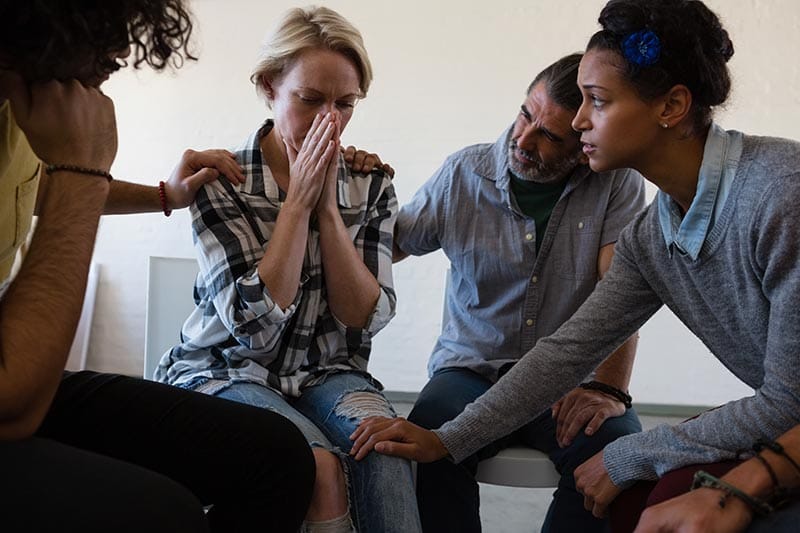
Suicide doesn’t always make the headlines, but it is one of the leading causes of death in our country, and one of the most preventable. Every life lost leaves behind family, friends, coworkers, and neighbors who are forever changed. By understanding who is most at risk and breaking down the stigma that keeps people from seeking help, we can begin to turn the tide.
National and Wisconsin Trends
Suicide is the 12th leading cause of death in the United States. In Wisconsin, 932 people died by suicide last year, a number that has risen 39% since 2000.
While suicide can affect anyone, certain groups are especially vulnerable:
- Men are nearly four times more likely to die by suicide than women, though women attempt more often.
- Middle-aged adults (ages 35–64) account for nearly half of all suicides nationwide.
- Older men face the highest risk; those 75 and older die at a rate of 42.2 suicides per 100,000 men.
Suicide affects racial and ethnic groups in distinct ways. The numbers are particularly alarming for young Native American and Alaska Native men, with rates more than four times higher than the national average. These disparities are tied to issues like poverty, racism, limited access to healthcare, and traumatic experiences. Recognizing these differences helps us understand that suicide is not just a personal issue, but one deeply influenced by social and cultural factors.
Other concerning trends in Wisconsin:
- Firearms are the most common method, used in 57% of deaths. In fact, 64% of all firearm deaths in Wisconsin were suicides.
- Rural residents continue to experience higher suicide rates than those in urban areas.
For regions like the Door Peninsula, these realities hit close to home. With its rural location, aging population, and a workforce heavily dependent on industries such as tourism, agriculture, and construction, the region mirrors many of the statewide risk factors.

At Door County Medical Center, one way these challenges are being addressed is through Senior Life Solutions, an intensive outpatient therapy program designed specifically for older adults who may be struggling with depression, anxiety, or feelings of isolation. “A lot of older adults believe depression and anxiety are normal parts of aging. That’s simply not true,” explains Jennalee Lundquist, RN, BSN, Program Director. By providing group and individual therapy, as well as opportunities for connection and support, Senior Life Solutions helps older adults navigate life changes with resilience and hope.
Men, Stigma, and the Construction Industry
Men's mental health is closely tied to their overall physical well-being. However, despite facing the highest risk of suicide, men are often the least likely to reach out for help.
This is especially important when we look at the construction industry. Nationwide, construction workers face some of the highest suicide rates of any occupation among all jobs—49.4 per 100,000 men, second only to the mining industry. Physically demanding work, seasonal employment, economic uncertainty, and a culture of “toughing it out” all contribute to this issue.
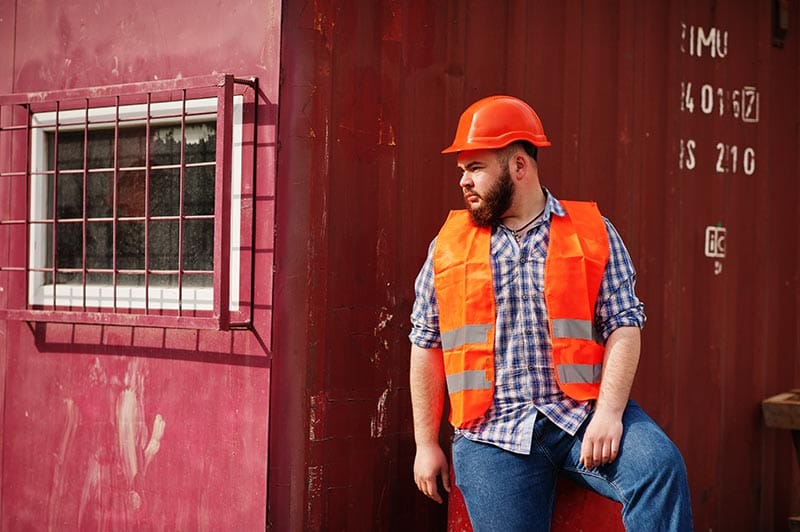
At the heart of this challenge is vulnerability and the long-standing belief that expressing emotion is a sign of weakness. The stigma that men must “suffer in silence” is often reinforced by society at large, beginning in childhood.
We can break down those barriers by:
- Encouraging open conversations and learning to recognize and name emotions as they arise.
- Promoting mental health education that normalizes emotional well-being as part of overall health. A great resource is CredibleMind, Door County’s free, confidential online hub for mental health support.
- Supporting one another through regular check-ins with friends, family, and coworkers.
Men’s health is a community issue. Supporting the men in our families, workplaces, and neighborhoods means bridging the empathy gap and changing how we care for one another.
Warning Signs to Watch For
Each person’s experience is unique, but some common warning signs include:
- Talking about being a burden
- Withdrawal or isolation
- Increased anxiety, anger, or substance use
- Expressing hopelessness
- Extreme mood swings
- Talking or posting about wanting to die
It’s important to remember that asking directly about suicidal thoughts does not “plant the idea.” In fact, talking openly about suicide is one of the most effective ways to prevent it.
Resources and Support
Help is available now.
- 988 Suicide & Crisis Lifeline: Call or text 988 to connect with trained counselors, available 24/7.
- HOPELINE: Text HOPELINE to 741741 for support from trained counselors in Wisconsin.
- Door County Mental Health Crisis Line: (920) 746-2588, available 24 hours a day, 7 days a week.
- In an emergency, call 911 or go to the nearest emergency room.
Suicide is preventable, but it requires open conversations and community action. By shining a light on the heightened risks faced by men, we can better recognize warning signs, reduce stigma, and connect people to the help they need.
When we talk about suicide, we create pathways to hope and healing.
Sources:
- Centers for Disease Control and Prevention (CDC), Suicide Prevention: Populations Impacted (2023).
- Door County Medical Center, Suicide Prevention Month Blog (2023).
- Wisconsin Department of Health Services (DHS), retrieved from: Suicide in Wisconsin: Impact Response Report, 2023-2024 (2025).
- Door County Medical Center, Boys Learn From You: Make Men's Health Matter (2025).