Celebrating Men’s Health Month 2026: Partners in Care, Advancing Men’s Health Across Lifespans

Men’s Health Month (June 2026) and International Men’s Health Week (June 15–21, 2026) were established to support improving the health and well-being of men and boys in all phases of life.
We’ve consulted with Richard Olson, a local man who really walks the talk. Olson is the long-serving Fire Chief for the Southern Door Fire Department in Door County, Wisconsin. He has dedicated decades of service to the department. Outside of his work in emergency services, the Olson family also operates the local Olson Family Farm in Brussels, WI.

Olson takes his health seriously. That’s why we chose him for this article.
When we asked about what he does to take care of himself, he shared, “The things I find that help me to have good health are to be physically active, eat nutritious foods, be well rested and have a health care provider. As a farmer, I have the good fortune to have plenty of opportunities to get a lot of physical activity through my daily routine of farm work. Whether it is carrying pails of milk to the calves, bags of seed to the planter or walking across the farm, I find keeping moving is a key to being healthy. Although I don't eat a perfect diet, I make sure to include a lot of fruits and vegetables, dairy and lean protein with my meals. You are what you eat. Rest is probably the most underrated aspect of a person's health. If you don't get enough rest, and I mean quality sleep, you will not perform to your best abilities. I also have an annual visit to my healthcare provider to make sure I am on track for healthy living.”
Bravo, Rich! You are an inspiration.
This year’s Men’s Health Month theme is, “Partners in Care: Advancing Men’s Health Through Connection, Education, and Advocacy—For Better Lifespans Across the Lifespan,” and emphasizes that men’s health does not happen in isolation.
Health outcomes are shaped by relationships, with partners, families, caregivers, workplaces, and communities, and strengthening these care partnerships is essential to improving long-term outcomes.
Olson reflects on how his family and friends contribute to his overall wellbeing, “When I think about how my family relates to my health, it makes me realize that mental health is an aspect that most men will put on the back burner. It is important to have people to talk to and be able to share what is on your mind. Too often, myself included, we tend to bottle up our problems, fears and concerns. By talking and sharing with family and friends it eases internal tensions and helps release anxiety. Men are typically not great communicators, but it sure feels a lot better when you have someone to open up to with what is going on inside your head.”
Men continue to experience higher rates of preventable illness and premature death. In the U.S., men die on average 6 years earlier than women, often from conditions that are preventable or manageable with early detection and consistent care.
This gap underscores the importance of education, awareness, and proactive engagement. Men’s health awareness includes, but is not limited to:
- Heart disease and stroke, leading causes of death among men
- Prostate and testicular cancers, where early detection improves outcomes
- Colorectal and lung cancers, which disproportionately impact men
- Diabetes and metabolic conditions, often linked to preventable risk factors
- Mental health challenges, depression / suicide, where men face higher mortality rates
- Substance use disorders, contributing to preventable deaths
- Workplace-related injuries and safety concerns
- Healthy aging and chronic disease management across the lifespan
Improving men’s health outcomes requires a comprehensive approach that promotes preventive screenings, early intervention, mental and emotional well-being, and open health conversations.

It also requires recognizing men not only as patients, but as caregivers, partners, fathers, mentors, and community leaders. “Supporting men’s health strengthens families and communities,” said Jennifer Thompson, VP at Men’s Health Network. “By recognizing care as a partnership, we can encourage earlier conversations, proactive health decisions, and better outcomes for everyone.”
Olson is an advocate for men taking an active role in their own health and he is a great example, “Men are historically supposed to be tough, bulletproof and indestructible. Well, you can't get there without good health. Taking care of yourself with good nutrition, physical activity, proper rest and sharing what is going on in your head are all key pieces to healthy living. Seeing a healthcare professional regularly is very important. Regular visits are essential to help set a baseline of what is normal for each individual. Don't wait until a problem becomes too serious to treat. Taking care of yourself is not only good for you, but it is good for everyone else in your life.”
By advancing connection, education, and shared advocacy, we can help support healthier, longer lives for men and boys.
Olson closes by saying, “Your health is not ONE of the most important things in life, it is THE most important thing in life. Without good health you cannot enjoy life or activities with family and friends. Good health enables me to enjoy life and all it has to offer.”
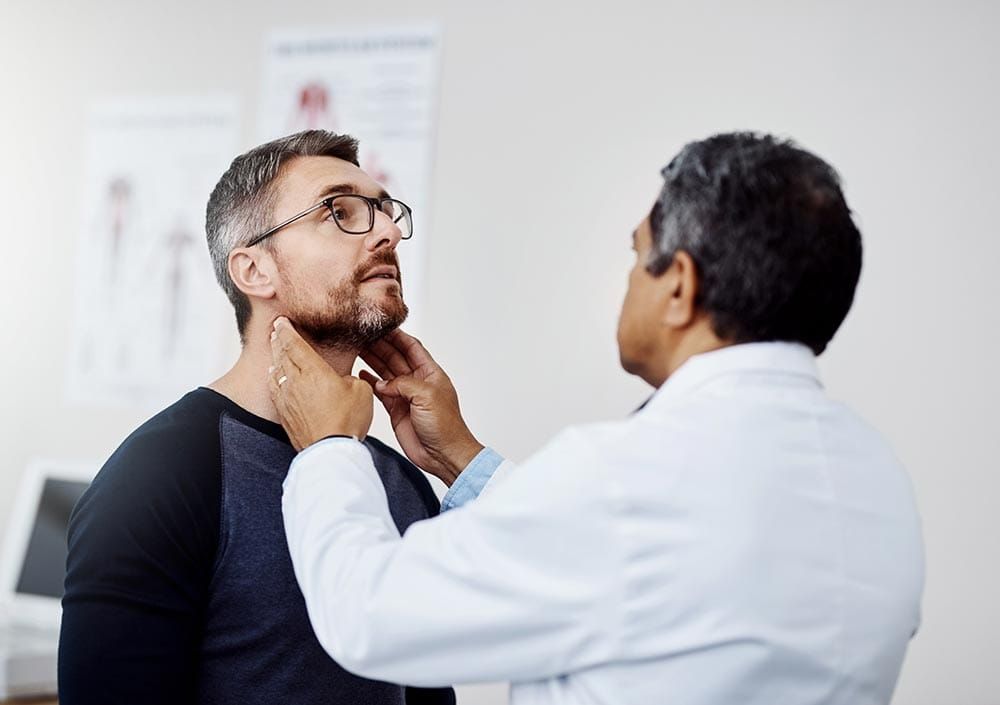
Join us in supporting and encouraging the men in your life to take their health into their own hands and set up an appointment with their primary care provider for an annual visit. It might be something as simple as letting them know that you care and that their presence in your life is important to you.
Wear blue on Fridays in June to show your support. Wearing blue is a visible reminder that men’s health matters — not just to men, but to families, workplaces, and communities.