Door County Medical Center Advances Breast Cancer Screening


Breast Cancer Awareness Month is an important reminder that early detection saves lives. Mammography remains the most effective screening tool for finding breast cancer in most people, often before it can be felt.
According to the American Cancer Society, when breast cancer is detected early, and is in the localized stage, the 5-year relative survival rate is 99%. Mammograms are the key to early detection.
Door County Medical Center is proud to offer 3D Mammography, sometimes called tomosynthesis imaging, a type of digital mammography that, instead of taking a flat 2D image of breast tissue, creates a 3D image from a composite formed of image layers.
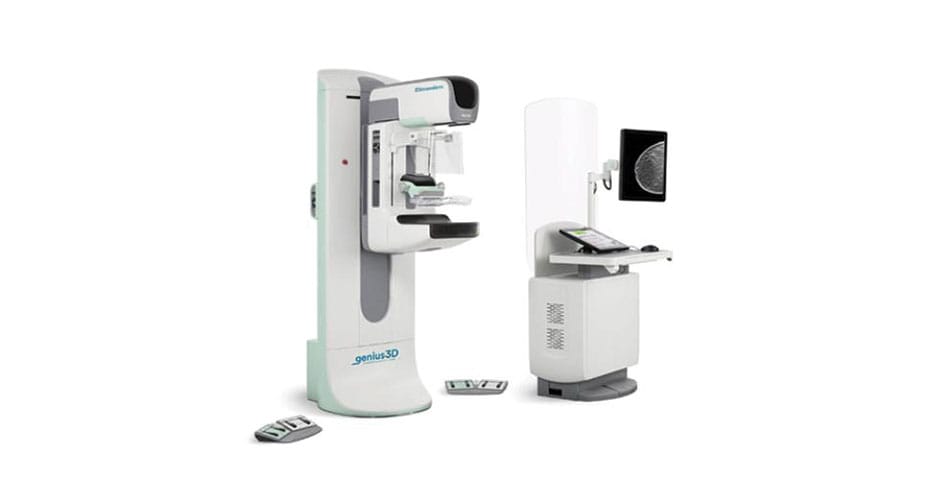
Door County Medical Center (DCMC) is expanding its mammography services with the addition of a second 3D mammography room and a new Hologic 3Dimensions Mammography System. This investment will increase appointment availability, improve access to timely breast exams, and support a more efficient, comfortable experience for patients. The second unit is expected to be ready for use in mid-December. By expanding its services, Door County Medical Center continues its commitment to providing excellent, compassionate breast care close to home.
When to Get a Mammogram
Women who are 40 years old and over who have no known breast cancer risk factors and are not experiencing any signs or symptoms of breast cancer should receive a screening mammogram once a year. A screening mammogram is an annual exam which utilizes low dose radiation used to check for breast cancer in women who have no symptoms.
While it is important to keep in mind that most breast changes or breast lumps are not cancer, all changes and lumps should be investigated quickly and thoroughly. Any time you experience a change in shape, size, or texture, or feel a lump in either breast or surrounding area, you should see your healthcare provider to discuss the changes and determine the next steps to take.
If you are experiencing breast changes, your doctor will likely recommend you receive a diagnostic mammogram vs. a screening mammogram. A diagnostic mammogram is a detailed exam used to evaluate specific symptoms (like a lump or pain) or abnormal findings from a screening.
Getting a Mammogram: What to Expect and How to Prepare
Getting a mammogram for the first time is intimidating. Here are some tips to help you feel prepared.
- Schedule your mammogram when your breasts are the least tender or swollen. Due to naturally occurring hormone fluctuations within the body, many women experience tender or swollen breasts at some point during their monthly menstrual cycle. If possible, try to schedule your mammogram for one to two weeks after your period starts.
- Don’t use any deodorant or other health and beauty products before your mammogram. Wearing certain health and beauty products on the day of your mammogram can interfere with the mammogram reading.
- Consider pain medication. Because mammograms apply pressure to the breasts and surrounding tissue, some discomfort is to be expected. However, keep in mind that this discomfort will only last for a few seconds at a time. If you are worried about experiencing pain during your mammogram, or if you have experienced pain during a previous mammogram, talk to your doctor about taking an over-the-counter pain medication about 1 hour before your mammogram.
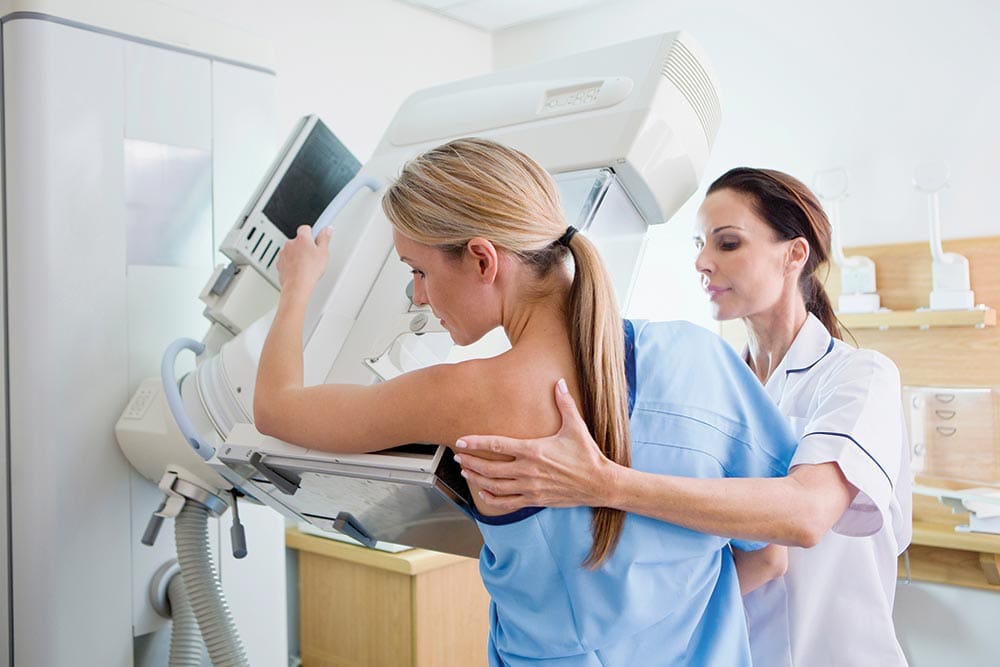
- Wear a two-piece outfit and comfortable shoes. You will only need to remove your top and bra for a mammogram. Therefore, it is best to wear a two-piece outfit, such as an easily removable shirt with pants, shorts, or a skirt. You will also be standing (if there aren’t any physical limitations) during the mammogram, so wearing comfortable shoes as opposed to high heels is also recommended.
- Don’t wear any neck jewelry. You will need to remove any neck jewelry and long earrings for the mammogram. Leave jewelry at home to avoid the risk of losing it.
- You can eat and drink as you normally would. Some people ask if they need to avoid eating or drinking before their mammograms. It is not necessary to avoid food or drink before your mammogram, so eat or drink as you normally would the day of your appointment.
- Take your daily medications. If you take daily medications, or are on some sort of medication regimen, you can and should take your medications as you normally would on the day of your appointment.
For most women, the results of a mammogram will show no signs of breast cancer. If your mammogram shows something abnormal, you’ll need follow-up tests to check whether or not the finding is breast cancer.
Abnormal findings are common and are not usually cancer. Sometimes, breast cancer can be ruled out with a follow-up imaging test, such as a diagnostic mammogram or a breast ultrasound.
Expanding access with Hologic 3Dimensions Mammography System at DCMC
The new Hologic 3Dimensions™ mammography system will bring advanced technology designed to support patient comfort and improve image clarity on even the most subtle breast tissue changes. Its SmartCurve® breast stabilization system uses a curved compression surface that more closely mirrors the shape of the breast, helping provide even compression and a more comfortable exam. Clarity HD® high-resolution 3D imaging is designed to produce sharper images and improve visualization of subtle lesions and fine calcifications across different breast sizes and densities.
By expanding access and investing in advanced technology that improves image quality and patient comfort, DCMC is strengthening breast care options close to home. These improvements reflect our ongoing commitment to helping every patient receive excellent, compassionate care today—and Meet a Better Tomorrow.
With a 3D mammography at Door County Medical Center, patients can expect:
- Fewer cancers missed. As many as 20 percent of breast cancers will be missed by 2D mammography. 3D mammography has been shown to detect on average 41% more invasive breast cancers than 2D mammography.
- Reduced callback rate. 3D mammography results in fewer false positives and fewer callbacks. According to numerous studies, 3D mammography can reduce callbacks by as much as 40%.
Patients should talk with their healthcare provider about their personal risk factors and the screening schedule that is right for them. Learn more about 3D Mammography at Door County Medical Center by visiting dcmedical.org/medical-services/womens-care/3d-mammography.