Labor and Delivery in Our Rural Setting: A Vital Need, a High Risk

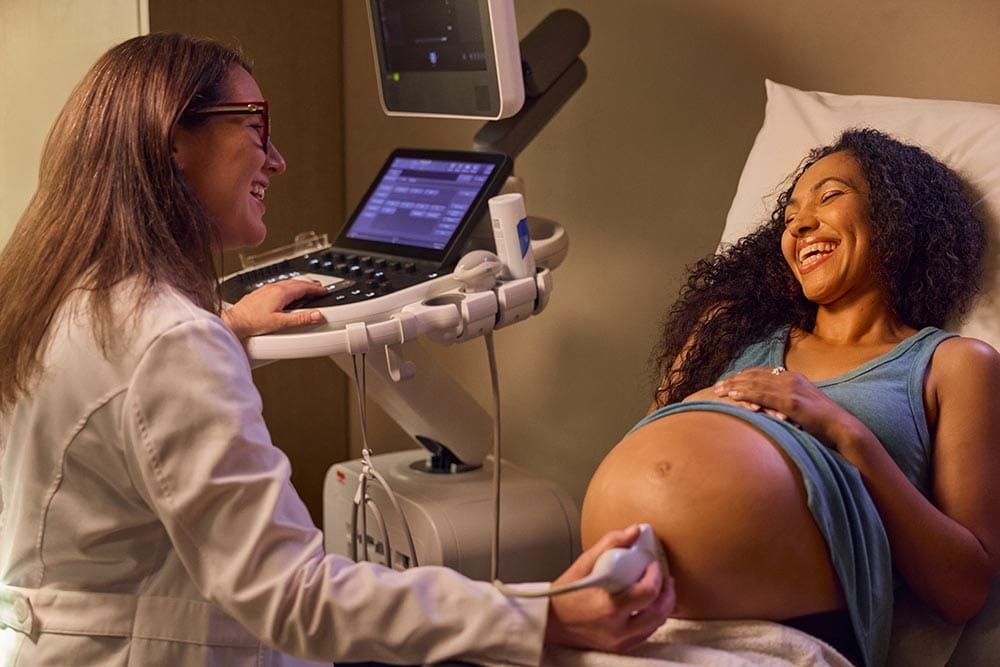
Across the country rural hospitals are shutting their obstetrics units due to financial pressures, workforce shortages, and declining birth rates.
According to an article published by Georgetown University McCourt School of Public Policy, “109 rural hospitals have closed since 2005. Between 2024 and early 2026 alone, 96 labor and delivery units closed in hospitals across 91 counties in 35 states. More than half of the recent closures (58%) took away many counties’ only birthing facility. That leaves 70% of rural counties with no access to hospital labor and delivery services.”
When a rural birthing center closes, a community faces increased travel time for care, increased infant and maternal mortality rates, worse outcomes for vulnerable populations and a widening of existing health disparities.
Right now, the Door County Medical Center (DCMC) Birthing Center is holding steady, thanks to the support from this incredible community. On average 123 babies are born at DCMC every year. The cost to deliver a healthy baby is about $30,000. Medicare, Medicaid and even private insurance does not reimburse at a high enough rate to cover that cost.
According to the Georgetown article, these challenges are expected to accelerate with nearly one trillion dollars being cut from Medicaid over the next decade.
Rural Wisconsin Health Cooperative - Addressing Core Issues
Incorporated in 1979, Rural Wisconsin Health Cooperative (RWHC) is a catalyst for statewide collaboration and a progressive, creative force on behalf of all rural health constituencies.
Owned by 41 non-profit, rural acute, general medical-surgical hospitals, RWHC’s charge is twofold: advocacy for rural health at the State and Federal levels and shared service development for member hospitals as well as external customers. Their Vision is that Rural Wisconsin communities will be the healthiest in America.
We talked with Kelsi Craker, MSN, RN Maternity Services Coordinator at RWHC about the trends she sees in labor and delivery units across the state.
According to Craker, “Wisconsin has seen nine rural labor and delivery units close in the last three years. That should force us to take a hard look at how we are supporting the foundation of rural maternity care—including workforce, reimbursement, education and quality.”
She continues, “Workforce shortages, particularly provider shortages and providers with surgical credentialing, are the number one challenge we hear about from our 41 rural hospital members. In my opinion, we spend a lot of time discussing the ancillary pieces of the maternal healthcare system while assuming that the core is solid. The reality is that the core is not solid.”
The Georgetown article indicates that closures are due to workforce shortages as well as low reimbursement rates, and policy changes. More specifically, Medicaid finances nearly half of births in rural communities. Labor and delivery units carry high fixed costs so when patient volume declines, hospitals take a financial hit. In general, Medicaid reimburses hospitals less money for births than private commercial plans, but Medicaid cuts will decrease the financial vitality of many rural hospitals and clinics.
Craker’s role was established when RWHC members recognized the challenges rural hospitals faced maintaining access to maternity care, particularly in response to recent hospital and obstetric unit closures. Craker works with RWHC member hospitals, including DCMC, across rural Wisconsin to preserve the quality and availability of maternal care amid a challenging landscape for rural obstetrics.
“A big part of my role is bringing people together to share what is working, problem-solve common challenges, and connect hospitals with resources and expertise. I also look at the bigger picture of rural maternity care—workforce, education, access, collaboration, and sustainability. Ultimately, my goal is to help ensure that wherever a pregnant person enters the rural healthcare system, they have access to a team that feels prepared, supported, and equipped to provide the best care possible, regardless of zip code.”

No Rural Birthing Center, A Stark Reality
According to an article titled “Rural Maternal Health” by the Rural Health Information Hub, “Maternal mortality in the U.S. is three times higher than most other high-income countries, and that gap continues to widen over time.”
The article notes that rural women and infants experience significant health disparities when compared to their urban counterparts. According to the Pregnancy Mortality Surveillance System from the Centers for Disease Control and Prevention, risks of pregnancy-related mortality are highest for rural populations, with 26.8 pregnancy-related deaths per 100,000 occurring in noncore areas in 2023 and 20.2 deaths per 100,000 in micropolitan areas.
Pause for a moment to consider what it may mean to an expectant new family to travel from Sister Bay to Green Bay (76 miles!) in early February with an impending ice or snow storm when a mother goes into labor.
Craker notes that there are assumptions that if a rural hospital closes its labor and delivery unit, another hospital can simply absorb those patients. In reality, that can congest nearby and/or larger hospital systems, create additional access barriers, and ultimately put rural families at greater risk.
Craker also works with rural hospitals that do not have a labor and delivery unit because the need for maternity care does not disappear when a hospital stops providing deliveries, “Pregnant individuals may still present to the emergency department, urgent care, or primary care clinic with pregnancy-related concerns, complications, or even an unexpected delivery. Those teams need the education, resources, and confidence to care for these patients appropriately as well.”
Use it, Or Lose it
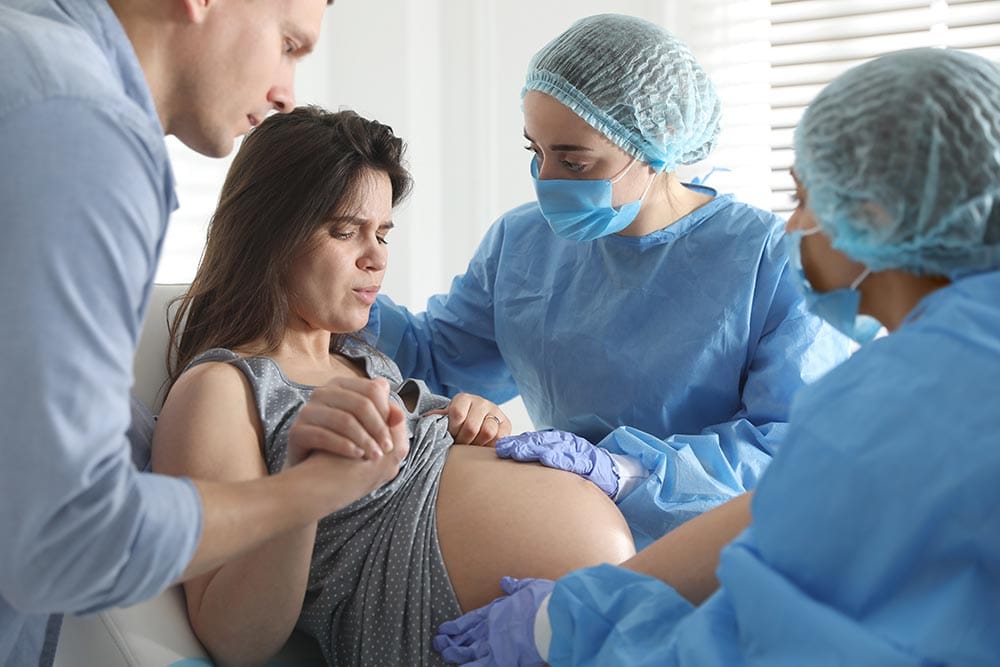
To reiterate, labor and delivery units carry high fixed costs. Due to the low and decreasing amount that Medicaid reimburses for labor and delivery, when patient volume declines, hospitals take a financial hit.
Craker states, “I think there are assumptions around rural obstetric care—and rural healthcare in general—that you may not receive as high-quality or comprehensive care as you would at a larger healthcare organization or hospital. While larger healthcare organizations are absolutely vital to our healthcare system, there is no reason to think that you cannot receive the highest level of care that DCMC is able to provide. And when a higher level of care is needed, the team knows when to transfer and how to make those decisions to ensure patients receive the care they need.”
The reality is that Door County Medical Center, in particular, consistently rates as one of the best hospitals in the state by both CMS and Becker’s Hospital Review. The patient reviews speak for themselves.
This one is from a Google Review, “Wow where do we even start. My wife and I had our first baby named Reagan on 8/22/26 and we just had to write a review about our incredible experience. The night before, we made the call to the hospital wondering if it was time to come in, the moment Sierra picked up the phone she walked us through everything, made us feel comfortable, and guided us on the next steps to come in.
There are a lot of questions, concerns, worries, when having your first baby, and the whole staff of nurses could not have handled it better. They comforted my wife, held her hand through every step, answered all of our questions, and gave great guidance without being pushy about any decisions. They were perfect in every way. A few standout nurses that happened to be on shift and gave us exceptional service were Kerry, Sierra, Anna, and Courtney. By the time we left with our happy and healthy baby, they all felt like family to us. We didn’t even want to leave!! Doctor Gaida delivered the baby and we could not have felt like we were in better hands. Her confidence, ability to make you relaxed with her humor during tense situations, and execution when it got down to business was second to none.
I would put this whole staff up against any other as the best of the best. Thank you Door County Medical… and we will see you next time!”
Craker saw it for herself, “One of the things that stood out to me most during my recent visit to DCMC was the combined years of knowledge and experience across the nursing team in the Birth Center. I had the opportunity to visit with many of them individually, as well as attend a staff meeting, and I was incredibly impressed—not only by how knowledgeable they are, but by how committed they are to providing the best care possible for the women and families they serve.”

The Future
Despite the economic issues that DCMC’s Birthing Center faces, DCMC and the DCMC Foundation are dedicated to keeping state-of-the-art, safe and accessible maternity care in our community.
With this in mind, the DCMC Foundation has established the DCMC Birthing Center Fund. We know that with the help of this incredible community we can ensure that residents of Door County can safely deliver their babies with the help of the caring staff at Door County Medical Center now, and well into the future.
“It is important to view obstetric care as a vital service to a community and the surrounding areas. There is evidence that when families enter a rural hospital to deliver a baby, they are more likely to continue accessing that hospital for care down the road—including well-child visits, annual wellness appointments, specialty services, surgical services, and other healthcare needs. For that reason, maintaining labor and delivery services is not only about doing what is best for birthing people and their families in rural communities. It also helps strengthen the overall healthcare organization and, ultimately, the health and well-being of the community it serves,” Craker says.
She continues, “The [DCMC Birthing Center] team is truly committed to continuing to provide this vital service to the surrounding communities, and that dedication is exactly what gives me optimism for the future of rural maternity care.... Continuing to provide maternity care in a rural community takes an incredible amount of dedication, flexibility, and teamwork. The fact that your team is committed to continuing this vital service for the surrounding communities is something to be proud of—and something worth fighting for.”
Help Support the DCMC Birthing Center
Consider making your gift to the DCMC Birthing Center Fund today.