Bringing Mental Health Care Closer to Home: Psychiatric Care at Door County Medical Center

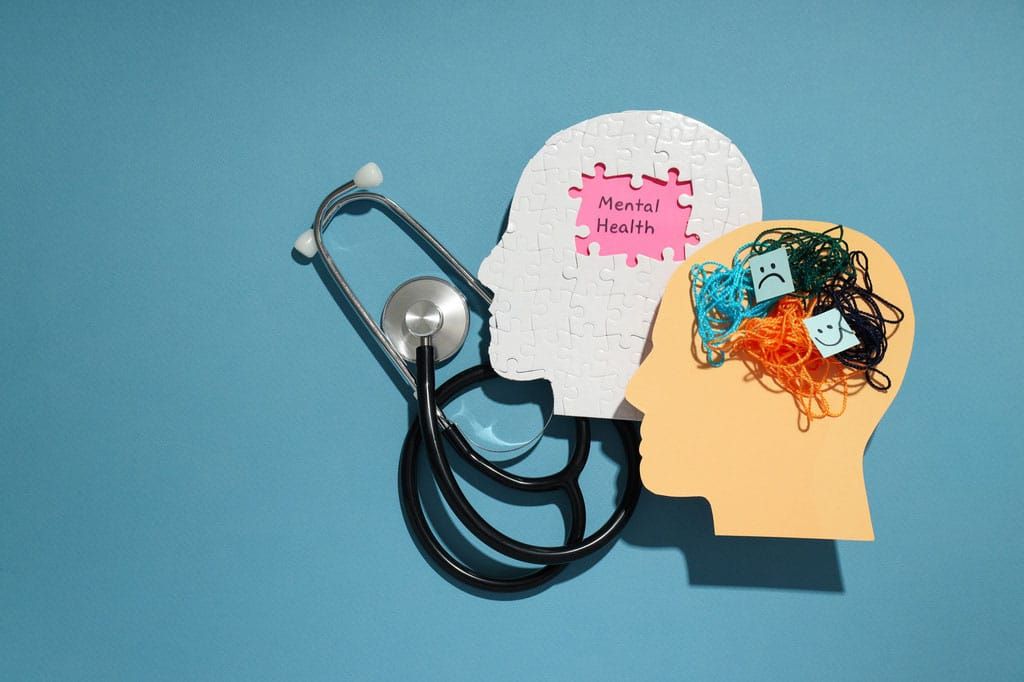
Mental health is an essential part of overall health, yet accessing specialized care can be especially challenging in rural communities. At Door County Medical Center (DCMC), the growing Behavioral Health Department is helping close that gap by bringing psychiatric expertise and coordinated treatment closer to home for Door County residents.
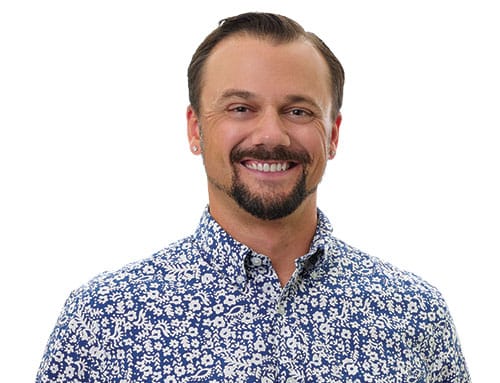
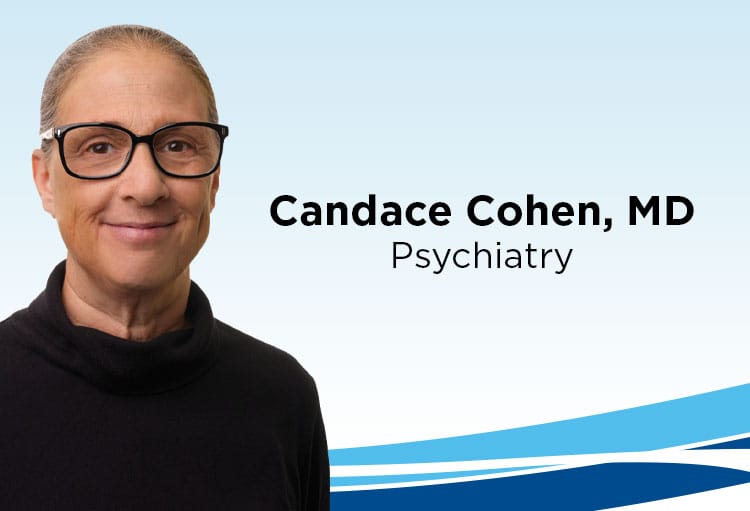
Simon Rabas, a licensed clinical social worker and manager of the Behavioral Health Department, has witnessed that growth firsthand. When he joined DCMC approximately four years ago, the department had four or five therapists. Today, the team has grown to nine therapists, and the addition of psychiatrist Dr. Candace Cohen has expanded access to specialized psychiatric care.
“I think it's always been important, and now it's just getting more attention and it's being talked about more,” Rabas says of behavioral health. “People can see how taking care of yourself mentally is so valuable for personal wellness and community wellness.”
Expanding Access to Specialized Care
Before psychiatric services became available at DCMC, patients might seek care through county resources or travel to Green Bay for specialized treatment.
Dr. Cohen evaluates patients, assesses mental health conditions and determines whether psychiatric medications may be appropriate. Her expertise complements the work of therapists and primary care providers, helping patients receive more comprehensive care within their own community.
“I'm able to do physical, medical and mental health treatment of a patient,” Dr. Cohen explains. “As well as prescribing medications.”
Having psychiatric care within the department also helps reduce barriers to medication management, particularly for people living with more serious mental health conditions. Timely treatment can help patients manage symptoms, maintain stability and continue living in their communities with appropriate support.
As Rabas explains, “The role of psychiatry in behavioral health has allowed for medication management, and allows therapists and the psychiatrist, Dr. Cohen, to collaborate on supporting patients in meeting their mental health needs.”

Caring for the Whole Person
Mental and physical health are closely connected. Anxiety and depression can affect how people manage chronic illnesses, cope with difficult diagnoses and participate in their own treatment.
Dr. Cohen emphasizes that connection: “Management of struggles within the mind will help the body function better and go forward.”
For someone receiving a cancer diagnosis, for example, anxiety or depression may make it harder to process medical information and navigate treatment decisions. Appropriate mental health support can help patients cope with uncertainty and improve their quality of life.
At DCMC, collaboration is central to this whole-person approach. Dr. Cohen meets regularly with therapists and medical providers to discuss challenging cases and coordinate treatment. When medications are considered, she reviews potential risks, benefits and alternatives with patients, taking their concerns and experiences seriously.
Building trust matters. Dr. Cohen wants patients to feel comfortable asking questions, discussing fears and working with their providers to determine the best path forward.
Reducing Stigma
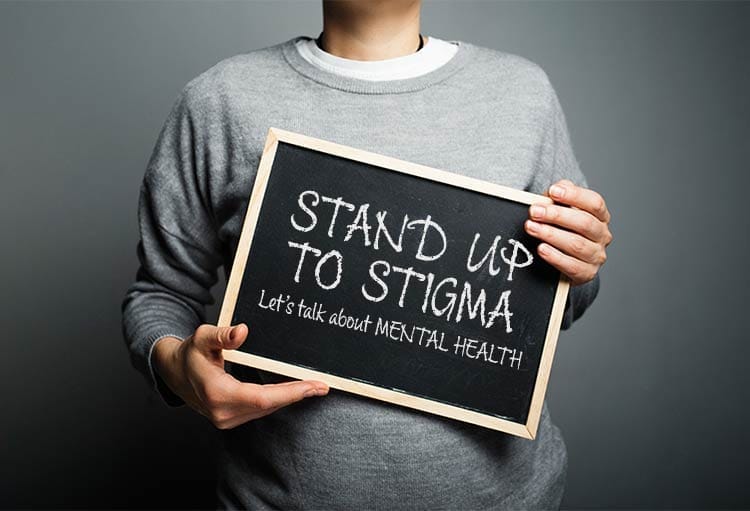
Beyond expanding services, DCMC is helping create an environment where seeking mental health care feels more accepted. Although stigma remains a challenge, conversations about mental health are becoming more common, encouraging people to recognize that asking for help is a positive step.
Reducing the stigma around mental health is a crucial step toward creating a more compassionate and inclusive society. Stigma, often rooted in misconceptions, fear, and ignorance, can perpetuate discrimination, shame, and isolation for individuals facing mental health challenges. However, by fostering understanding, empathy, and open dialogue, we can effectively break down these barriers and create an environment where seeking help and support for mental health is encouraged and embraced.
Meeting the Needs of a Rural Community
Door County Medical Center, in partnership with the Door County Medical Center Foundation has formulated a 3-part plan to strengthen and expand Behavioral Health Services for Door and Kewaunee County residents.
1. Strengthen Our Base
- Expand Behavioral Health services to all school districts in Door County and Algoma
- Provide at least one full-time behavioral health provider at each outreach clinic location
- Expand the Senior Life Solutions Program
- Expand Substance Use Disorder (SUD) services
- Provide dedicated space for the Behavioral Health Program in clinic locations
2. Increase Availability of Psychiatric and Psychological Services
- Hire a full-time Psychologist and Psychiatrist
- Establish a Tele-Psychiatry Program in the Emergency Department
3. Increase Acceptance of Behavioral Health Treatment
- Develop and implement an extensive public relations campaign
The department continues to grow, but Rabas recognizes that demand remains high. Increasing awareness must go hand in hand with ensuring services are accessible to those who need them.
“It's a blessing for our community to have access to psychiatric care,” Rabas says.
By expanding its behavioral health team, strengthening collaboration and bringing psychiatric expertise into the community, Door County Medical Center is investing in the well-being of the people it serves.
If you are interested in learning more about psychiatric services at DCMC, talk with your primary care provider about your mental health concerns.
Because mental health is health, and everyone deserves access to compassionate, coordinated care—right here at home.