November 2026 Senior Life Solutions Newsletter



Gratitude and Mental Health: Small Ways to Notice the Positives
Gratitude is the practice of noticing and appreciating something supportive, comforting, or worthwhile. It may be a kind phone call, a warm meal, a favorite song, a helpful neighbor, a good memory, or a moment of peace during a difficult day.
How To Practice Gratitude
Like most things, gratitude can be practiced and improved upon, although it
doesn’t require a large commitment. Just a few minutes each day can be an
effective way to start. Some ways to practice include:
- Writing down three things you appreciated today
- Saying thank you to someone who helped you
- Thinking about one person who has made a difference in your life
- Sharing a positive memory with a friend or family member
- Noticing one comforting part of your daily routine
- Sending a card, text, or phone call to someone you appreciate
Gratitude In Hard Times
Gratitude can also be practiced during difficult times. A person may feel thankful for support while also feeling sadness, grief, worry, or frustration. These feelings can exist together. Gratitude does not erase hardship, and it does not require someone to pretend everything is fine. It offers one way to notice care, comfort, and connection while facing life honestly.
If sadness, anxiety, grief, isolation, or low motivation begin to interfere with daily life, additional support may help.
More Veterans Need Mental Health Care, and Group Therapy Help
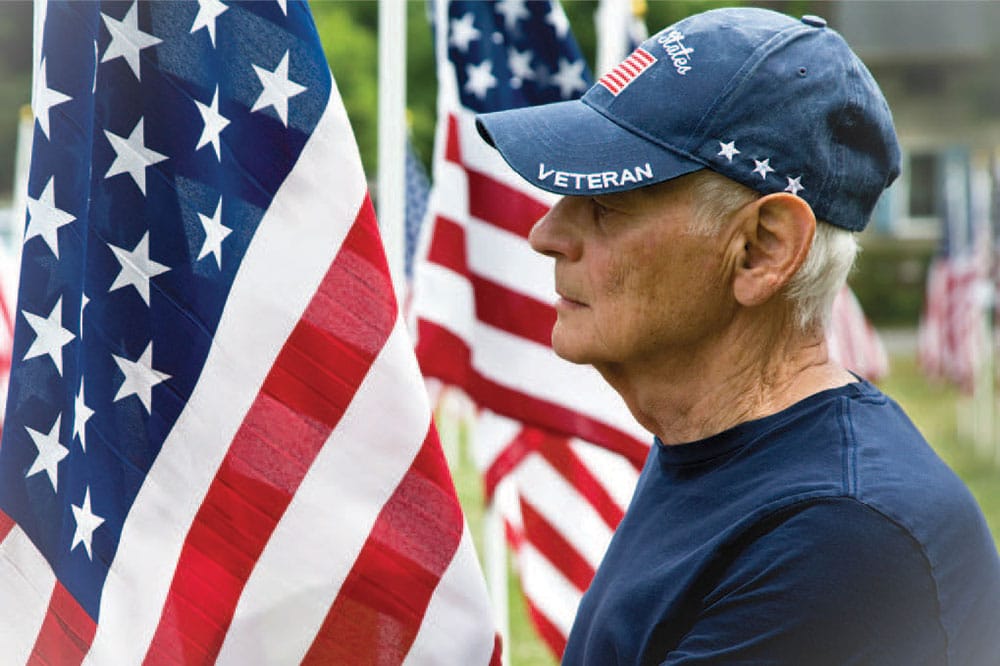
Veterans Day is a time to honor the service and sacrifice of the people who have served our country. It can also be a meaningful time to recognize the emotional health needs of older adult veterans and the families who care about them.
Many older adult veterans have spent much of their lives being dependable, disciplined, and focused on others. They may have built careers, raised families, supported communities, and carried memories from military service into each new stage of life. As they age, new experiences such as retirement, grief, chronic health concerns, reduced independence, isolation, or changes in daily routines can affect emotional well-being.
Mental health care can help older adult veterans better understand these changes, find healthy ways to cope, and feel more connected to others. For some, support may begin after a major loss or medical diagnosis. For others, it may begin when family members notice changes in mood, sleep, appetite, energy, motivation, or interest in daily activities.
The U.S. Department of Veterans Affairs notes that older veterans may face concerns such as depression, anxiety, post-traumatic stress, substance use, grief, dementia, caregiving stress, and loneliness. The VA also encourages older veterans and their loved ones to seek care when emotional or behavioral health concerns affect daily life.
How Mental Health Care Can Help
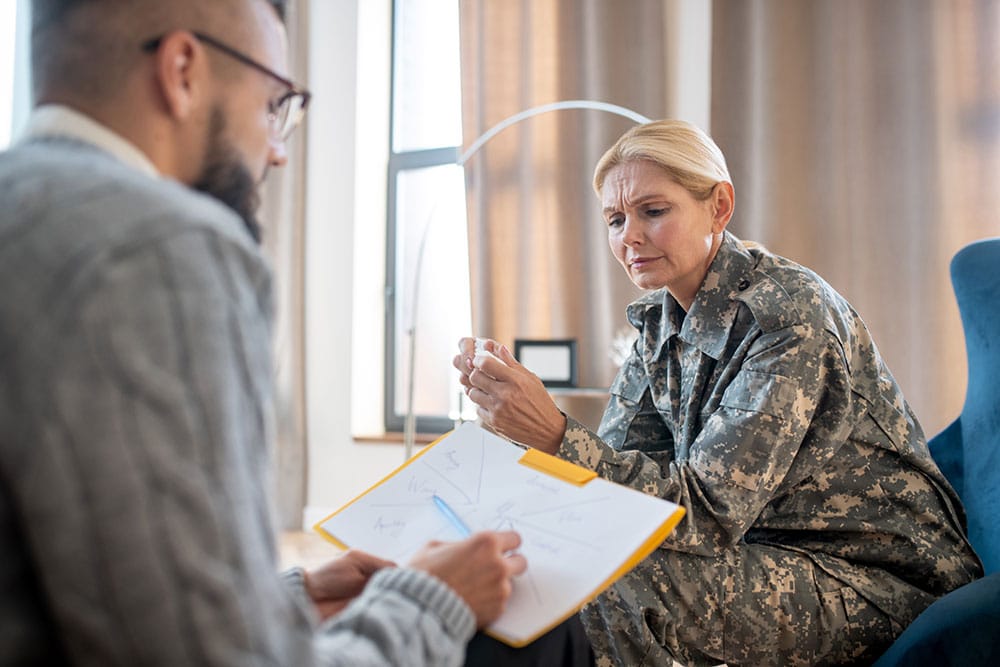
Mental health care gives older adult veterans a place to talk openly, learn coping skills, and receive support from trained professionals. Depending on the person’s needs, care may include therapy, psychiatric evaluation, medication management, education, and connection to additional resources.
Therapy can help older adults identify patterns in mood, thoughts, relationships, and routines. It can also help them practice skills for managing grief, stress, worry, loneliness, anger, sleep changes, and major life transitions. When medication may be appropriate, psychiatric evaluation and medication management can help determine what support may fit the person’s symptoms, medical history, and care needs.
Mental health care can also support families. Loved ones often want to help, yet may feel unsure about what to say or when to seek additional support. Education and guidance from mental health professionals can help families better understand what their loved one is experiencing and how to respond with patience and care.
The Value of Group Therapy
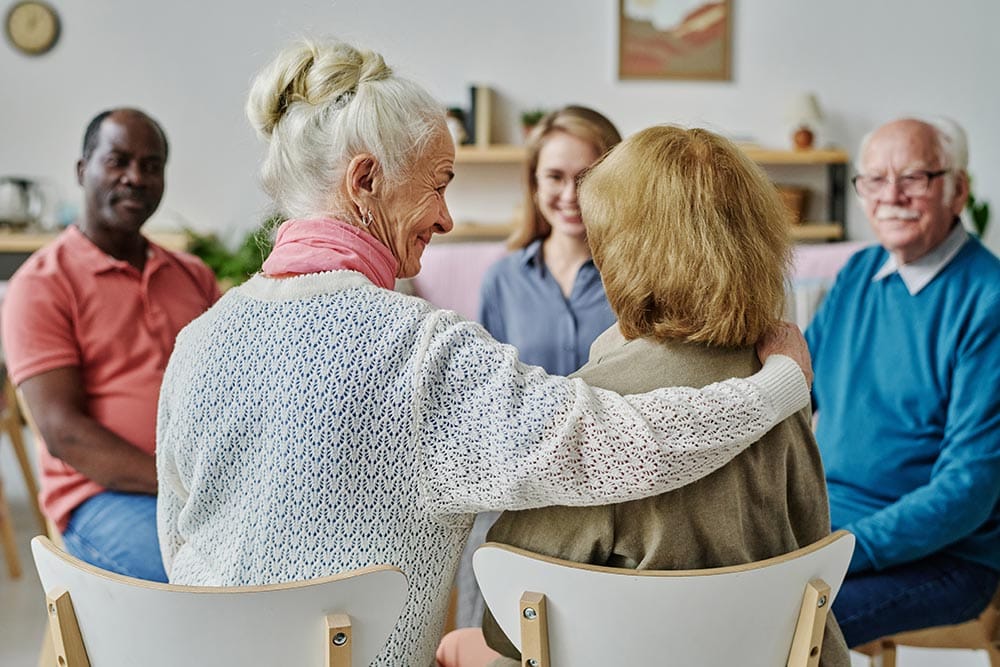
Group therapy can be especially helpful for older adults, including veterans, because it combines professional support with connection to peers. In a group setting, participants can hear from others who may be facing similar concerns, such as grief, health changes, loneliness, family stress, or changes in independence.
The American Psychological Association explains that group therapy can help people recognize they are experiencing common human struggles, receive support from peers, practice new skills, and learn from others’ perspectives.
For older adult veterans, group therapy may offer a sense of shared understanding. Veterans may be used to functioning as part of a team, relying on others, and contributing to a common purpose. A therapy group can provide structure, routine, and connection in a supportive environment.
Group therapy also gives participants the chance to practice communication. They can share as much as they feel ready to share, listen to others, and build confidence in expressing their own needs. Over time, this may help reduce isolation and support stronger relationships outside of the group.
Social connection is especially important in later life. The National Institute on Aging reports that social isolation and loneliness are linked with higher risks for several physical and mental health concerns, including depression, anxiety, heart disease, and cognitive decline.
A regular therapy group can help older adults build a consistent source of connection. That structure may be especially valuable for someone who lives alone, has recently lost a spouse, has stopped driving, has retired, or has become less involved in community activities.
We Can Help
Our hospital-based outpatient program is designed to meet the unique needs of older adults experiencing depression, anxiety or other mental challenges often associated with aging. Anyone can make a referral to our program, including self-referrals, provider referrals, or community consultations. Call us today at 920-746-3778 or email slsteam@dcmedical.org.